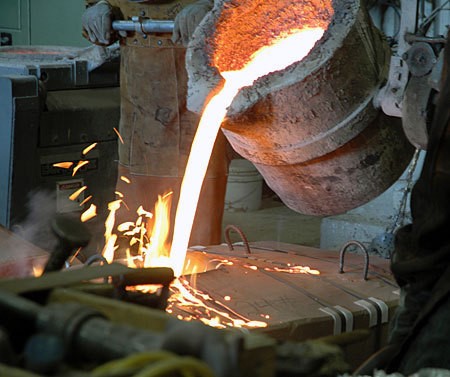
Why Aluminum Casting Remains Popular for Industrial Applications
Exploring the Intricacies of Steel Spreading in Modern Manufacturing Processes
Metal spreading has actually undergone significant makeover recently. The integration of advanced modern technologies has actually improved typical techniques, improving precision and effectiveness. Advancements like CAD and 3D printing are currently widespread. In addition, the market encounters raising stress to embrace sustainable methods. As these adjustments unravel, one need to think about the effects for top quality control and future patterns. What opportunities and challenges lie in advance in this advancing landscape?
The Advancement of Steel Casting Methods
As metalworking innovations progressed, the advancement of metal casting techniques became a critical variable in producing advancement. The shift from traditional approaches, such as sand spreading, to more modern processes highlighted the sector's versatility. Early techniques depended greatly on manual work and rudimentary tools, often leading to irregular top quality and long term production times. Nevertheless, with the introduction of technologies like financial investment casting and die casting, suppliers started to accomplish higher accuracy and performance.
The advancement of computer-aided style (CAD) and computer system numerical control (CNC) further changed the area, enabling intricate styles to be created with minimal mistake. Developments in finishes and materials likewise enhanced the durability and efficiency of actors products. This continuous improvement has established steel spreading as a functional and important manufacturing technique, with the ability of conference varied market demands while reducing waste and boosting sustainability techniques. The development of metal spreading continues to form the future of production.
Trick Materials Utilized in Modern Metal Casting
Steel spreading depends on a selection of vital materials that substantially affect the quality and buildings of the final items. The primary steel utilized in casting procedures is usually aluminum, recognized for its corrosion-resistant and lightweight attributes. Various other metals, such as iron and bronze, are likewise prominent due to their toughness and longevity. Additionally, alloys play a substantial function, permitting makers to customize specific qualities to meet one-of-a-kind application requirements.
The selection of molding products is essential. Sand, plaster, and ceramic molds are typically utilized, each offering unique advantages pertaining to detail and surface area coating. The binder materials made use of to hold the mold and mildew together, such as material or clay, also affect the spreading procedure. Lastly, ingredients, consisting of modifiers and coverings, can enhance the steel's buildings, making certain optimal efficiency in various commercial applications. Generally, these products jointly add to the efficiency and effectiveness of contemporary metal casting techniques.
Improvements in Equipment and Innovation
The development of metal casting has been substantially affected by improvements in tools and technology, which enhance effectiveness and precision in the production procedure. Technologies such as enhanced furnaces and induction heating unit enable far better temperature control and energy effectiveness, minimizing waste and enhancing worldly top quality. In addition, the introduction of 3D printing innovation has changed mold and mildew production, making it possible for fast prototyping and modification of intricate geometries that typical methods can not accomplish.
Moreover, advancements in software application for simulation and modeling have promoted the forecast of casting end results, decreasing issues and maximizing layouts. Modern equipment, such as automated pouring systems and advanced cooling strategies, likewise adds to higher uniformity in production. The assimilation of far better materials and finishes in devices building has raised durability and integrity, inevitably causing lower operational prices. Jointly, these technical strides are improving steel spreading, making it a lot more versatile to the needs of contemporary production.
The Role of Automation in Casting Procedures
While traditional casting procedures counted greatly on hand-operated labor, the combination of automation has changed the landscape of steel spreading, improving both performance and accuracy. Automated systems, including robot arms and computer-controlled machinery, facilitate faster manufacturing cycles and minimize human mistake. These innovations permit constant top quality throughout big batches, which is necessary for industries needing high standards, such as aerospace and automotive production.
Furthermore, automation enhances the operations by handling recurring tasks, releasing competent workers to concentrate on more complicated operations. Using sophisticated software program along with automation makes it possible for real-time monitoring and adjustments, guaranteeing peak efficiency and source application. Consequently, manufacturers can achieve higher throughput while decreasing waste and downtime. The introduction of automation in casting procedures not just fulfills the raising need for precision-engineered parts but likewise placements firms to continue to be competitive in a quickly advancing market.
Lasting Practices in Steel Spreading
Lasting practices in metal casting are becoming significantly essential in modern manufacturing. Key approaches include the recycling of metal products, the implementation of energy efficiency methods, and efforts to reduce waste exhausts. These strategies not just reduce environmental effect but additionally boost the general sustainability of the spreading sector.
Recycling Steel Products
Steel spreading has generally relied on virgin products, the assimilation of reusing methods has arised as a critical approach for improving sustainability in the sector. Recycled steels, such as aluminum, copper, and steel, can be repurposed efficiently, greatly reducing the need for new resources. This technique not only preserves natural deposits but additionally lessens power intake connected with mining and handling virgin metals. In enhancement, integrating recycled materials right into the spreading process next page reduces greenhouse gas discharges, lining up with worldwide sustainability goals. The sector has actually experienced the advancement of advanced recycling innovations that boost the high quality of recycled metal, guaranteeing it meets the stringent standards needed for numerous applications. Consequently, recycling is becoming an integral part of modern steel spreading methods.
Energy Effectiveness Techniques
As the demand for sustainable manufacturing methods grows, the steel casting industry is significantly embracing energy performance methods to minimize intake and minimize environmental influence. Different methods have actually been carried out, such as optimizing heater procedures, which enhances thermal effectiveness and decreases energy use. The assimilation of sophisticated control systems enables precise surveillance and modifications, making sure that power consumption aligns with production demands. Moreover, the fostering of eco-friendly power resources, such as solar and wind, is coming to be a lot more prevalent in casting facilities. Additionally, making use of energy-efficient tools, consisting of electric arc heating systems, additionally enhances general efficiency. By prioritizing these methods, the steel spreading sector can considerably decrease its carbon impact while preserving productivity and competition in a quickly advancing market.
Decreasing Waste Emissions
To guarantee a greener future, the steel casting industry is increasingly concentrating on reducing waste discharges through ingenious techniques. Methods such as closed-loop systems and recycling of products have emerged as reliable techniques. Many manufacturers are adopting sophisticated filtration systems to record particulates and unsafe gases during the casting procedure, considerably reducing air toxins. Furthermore, using green materials, such as water-based finishings, lessens unstable natural compound emissions. Carrying out lean production concepts additionally help in waste reduction by improving operations and decreasing excess product usage. Furthermore, recurring research into choice, much less dangerous alloys continues to enhance sustainability. Jointly, these efforts add to an extra eco accountable metal spreading market, lining up with global sustainability objectives and governing demands.
Quality Control and Inspection Approaches
Quality assurance and evaluation methods play a critical function in ensuring the integrity and performance of actors metal products. These techniques include different strategies to evaluate the quality of materials, procedures, and end products. Aesthetic inspection, frequently the first line of protection, enables for the identification of surface area problems such as additions or fractures. Non-destructive screening (NDT) methods, including radiographic and ultrasonic assessments, additionally assess inner structures without compromising the example's stability.
Dimensional accuracy is likewise monitored via exact measurement tools, making certain that elements fulfill specified tolerances. In addition, metallurgical analysis, such as solidity screening and microstructure examination, supplies understandings into the product residential or commercial properties and efficiency capabilities of the cast items. Implementing rigid quality control throughout the casting procedure not only boosts product dependability however additionally reduces waste and revamp, eventually adding browse this site to the effectiveness of making operations in the steel casting sector.
Future Patterns in Steel Casting Industry
The future of the metal spreading market is positioned for significant makeover through raised automation and the adoption of lasting spreading methods. Automation guarantees to boost efficiency and precision, while lasting methods intend to decrease ecological impact and enhance source monitoring - Metal Casting. These fads are likely to redefine conventional procedures and set brand-new criteria for making techniques in the coming years
Automation in Steel Spreading
Automation is reinventing the steel casting industry, enhancing efficiency and precision in making procedures. Advanced robotics and automated machinery improve operations, minimizing human error and increasing manufacturing rate. Integrating artificial knowledge permits for real-time surveillance and changes, enhancing the casting process to assure regular high quality. Automated systems assist in complicated designs that were previously challenging to achieve, increasing the opportunities for advancement in casting methods. Additionally, these modern technologies add to decreased labor costs and boosted safety and security by minimizing hand-operated handling of find more hazardous materials. As the sector remains to embrace automation, it is expected to result in better competitiveness and flexibility in the industry, positioning firms to fulfill the evolving needs of their clients better.
Lasting Casting Techniques
How can the metal spreading industry embrace sustainability while maintaining efficiency? The adoption of sustainable spreading methods plays a crucial duty in this endeavor. Innovations such as making use of recycled materials, consisting of scrap metal and foundry returns, significantly minimize waste and resource consumption. In addition, improvements in energy-efficient heating systems and processes reduce the carbon footprint related to casting procedures. Strategies like financial investment casting and 3D printing better improve precision, lowering product waste. The integration of ecologically friendly binders in sand spreading processes can reduce harmful exhausts. By focusing on these sustainable methods, the steel casting industry not only follows regulative criteria but likewise positions itself as a responsible player in the worldwide manufacturing landscape, leading the method for a greener future
Regularly Asked Inquiries
What Are the Common Flaws in Steel Casting?
Common issues in metal casting include porosity, shrinking, misalignment, attachment, and inclusions. These issues develop from elements such as incorrect mold and mildew layout, inadequate melting temperatures, and inadequate putting techniques, influencing the last product's quality and performance.
How Does Temperature Influence the Spreading Process?
Temperature level substantially influences the casting process by impacting metal fluidness, solidification rates, and issue development. Higher temperature levels improve fluidness, while lower temperature levels can cause issues like contraction and incomplete filling of mold and mildews.
What Precaution Are Taken in Steel Casting?
Safety and security procedures in metal spreading consist of using protective gear, ensuring correct air flow, performing normal devices maintenance, applying fire safety and security methods, and training employees in emergency situation treatments to reduce risks related to high temperatures and hazardous products. - Metal Casting
Can Steel Casting Be Made With Recycled Products?
Yes, metal spreading can be executed using recycled products. This practice decreases waste and preserves sources, making it an environmentally pleasant option. Lots of manufacturers integrate recycled metals to improve sustainability within their manufacturing procedures.
What Industries Heavily Depend on Metal Spreading?
The automobile, aerospace, building and construction, and consumer items markets greatly depend on steel casting. These markets make use of the process for generating components, making certain longevity and precision, while additionally gaining from the versatility of various steel materials.